Redefining the Learning Library Through Data-Driven Discovery
Background
Learners relied heavily on videos to study for certifications, but the platform’s bookmarking feature (originally called “playlists”, like in Spotify) was fragmented and unreliable.
Problem
This created friction across all three core user groups (especially certification seekers and enterprise clients) and resulted in frequent customer support complaints and workarounds. Additionally, our clients were often leaving our platform to work externally.

Challenge
40+ integrations, complex data dependencies, regulatory constraints, and limited engineering capacity made it difficult to implement scalable solutions without disrupting operations.
Business
Impact
80% reduction in bookmarking-related support tickets
2% overall reduction in support calls
14% less drop off after viewing content due to icreased engagement between content and
3% MoM increase in signups from enterprise clients in 6 months after launch
The Approach
4
The ask
1
The ask was to create a playlist feature that allowed users to save learning content. We currently only had a buggy bookmarking feature.
Challenging the ask
2
Signals indicated that this may not be solving the problem. Reapproaching leadership, I inquired more about the ask to learn about customer needs and overall business goals. After understanding the core reason as customers needing to save content, I shared a few light data points that showed the solution may not be solving the whole problem. I got buy in for a more robust research initiative to refine the strategy.
Gathering the data
3
Reframing the problem
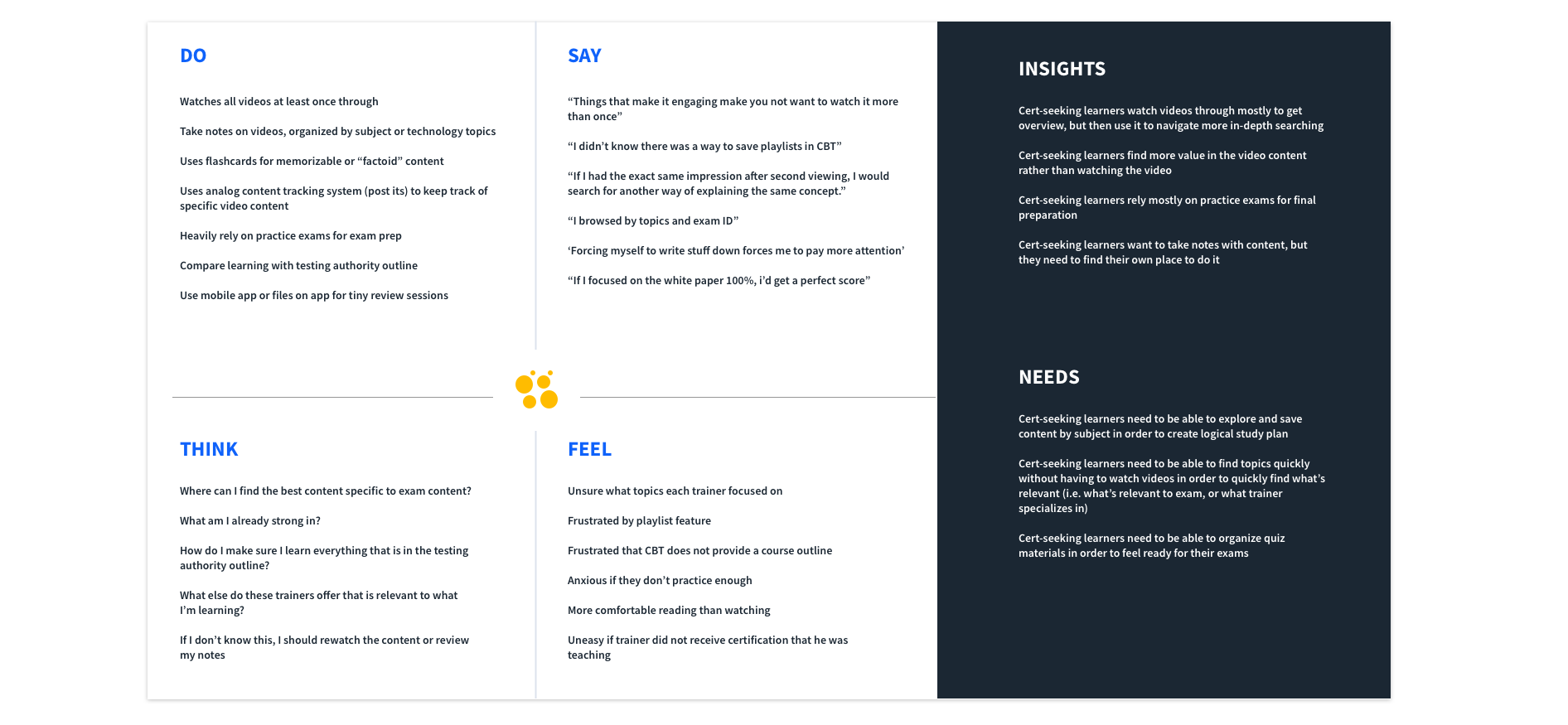
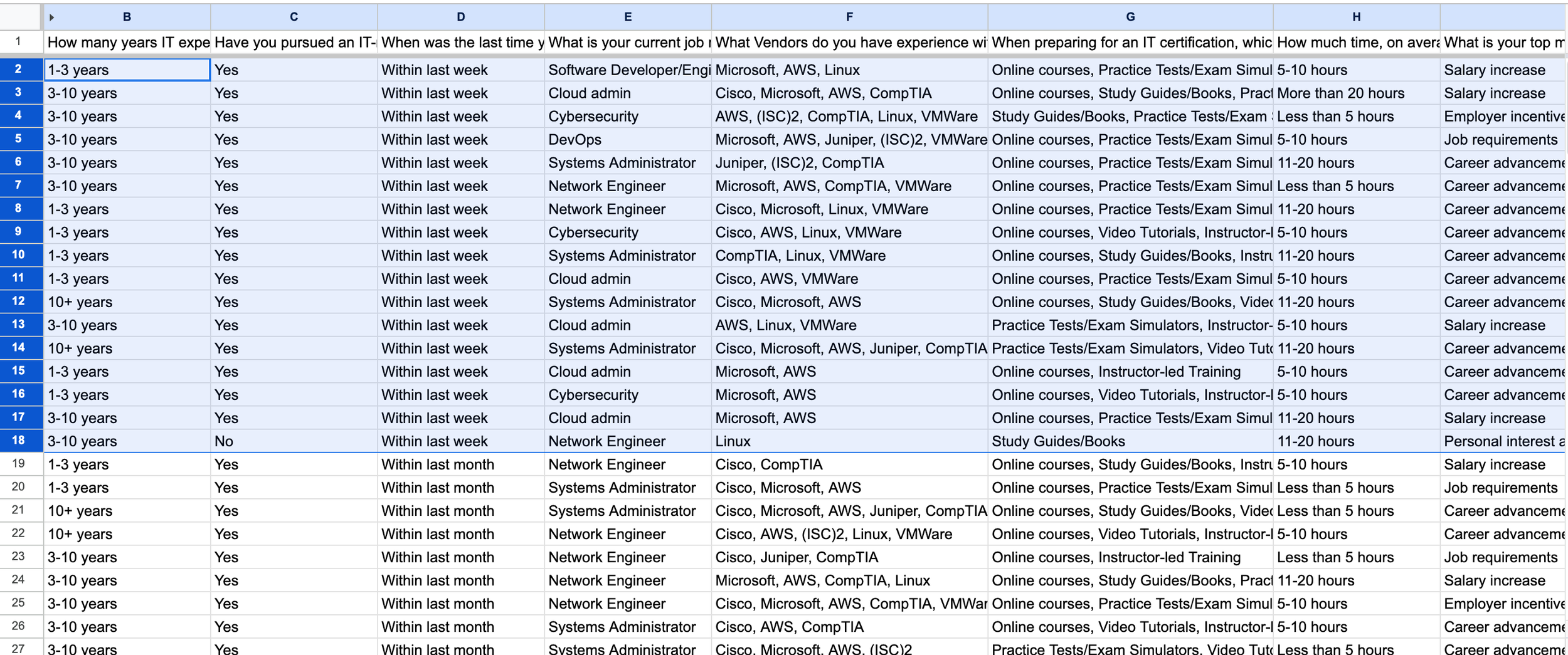
Based on a comprehensive research plan, I gathered the following quantitative and qualitative insights:
First hand customer interview qualitative content across 3 segments
Quantitative survey data about needs
Customer support: understanding related call numbers and content
Sales team: understanding feature requests
Data team: understanding drop off rates
It was clear that learners were focusing on learning with external tools, particularly enterprise clients with detailed learning plans. The problem was too narrow of a use case and wouldn’t provide enough tangible value or meet our goal of platform engagement.
I reframed the problem from “bookmarking” —> “supporting how students learn”
Prioritization
5
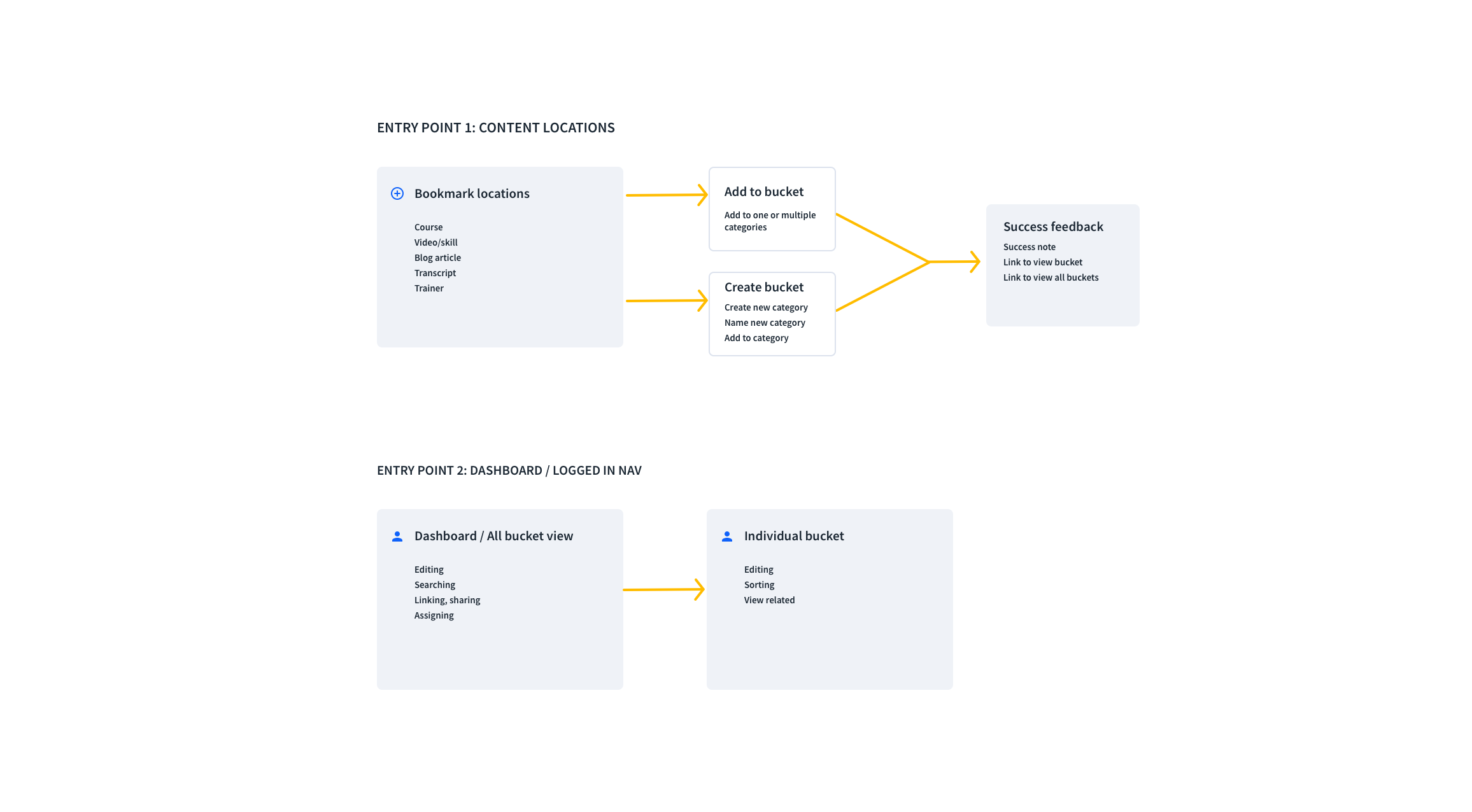
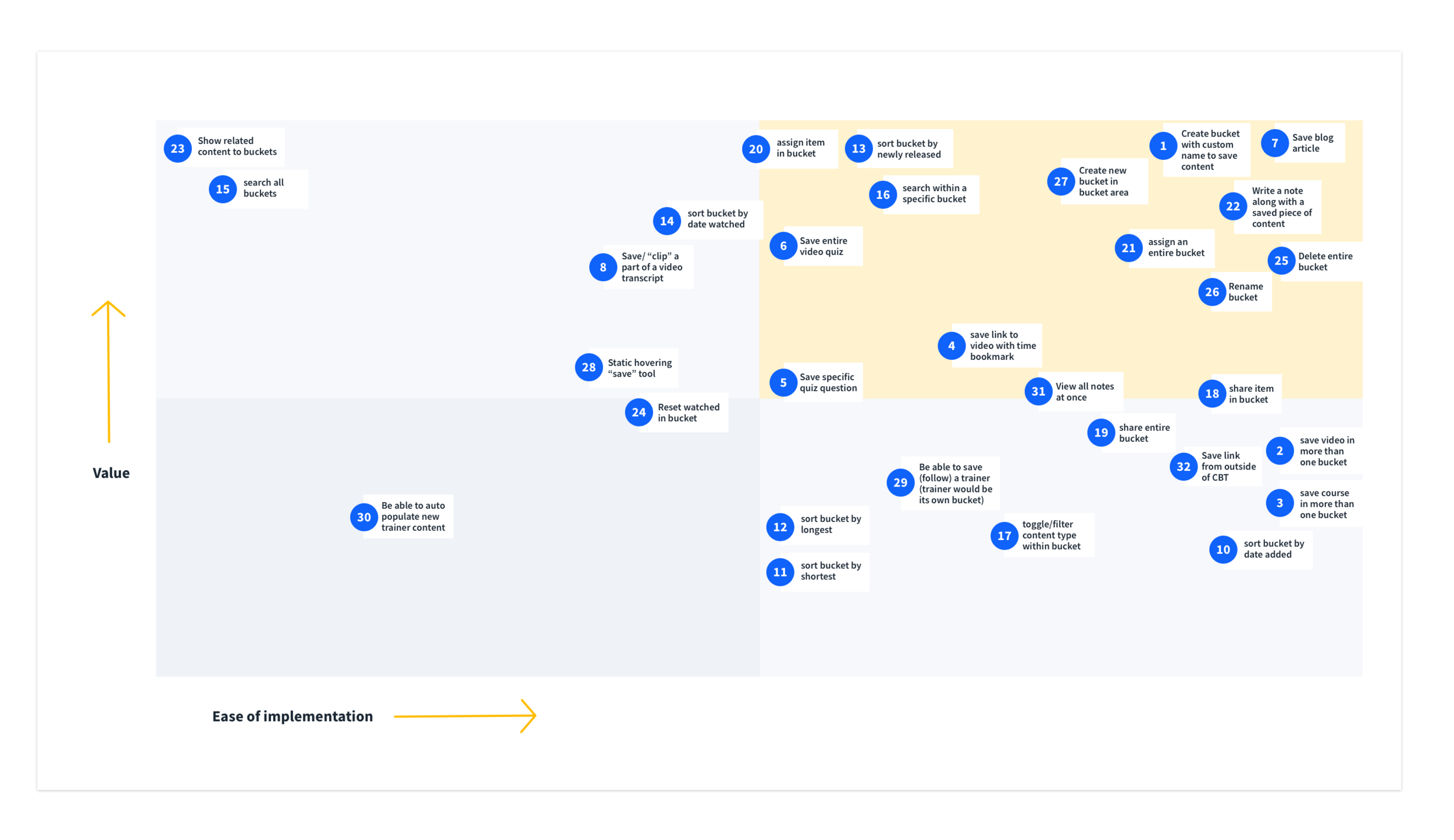
After brainstorming a number of features that resolved customer problems, I prioritized based on value. In addition, I prioritized alongside engineering based on how much work it would be. I framed the MVP around low hanging fruit, while holding larger initiatives in tandem that required more investment.
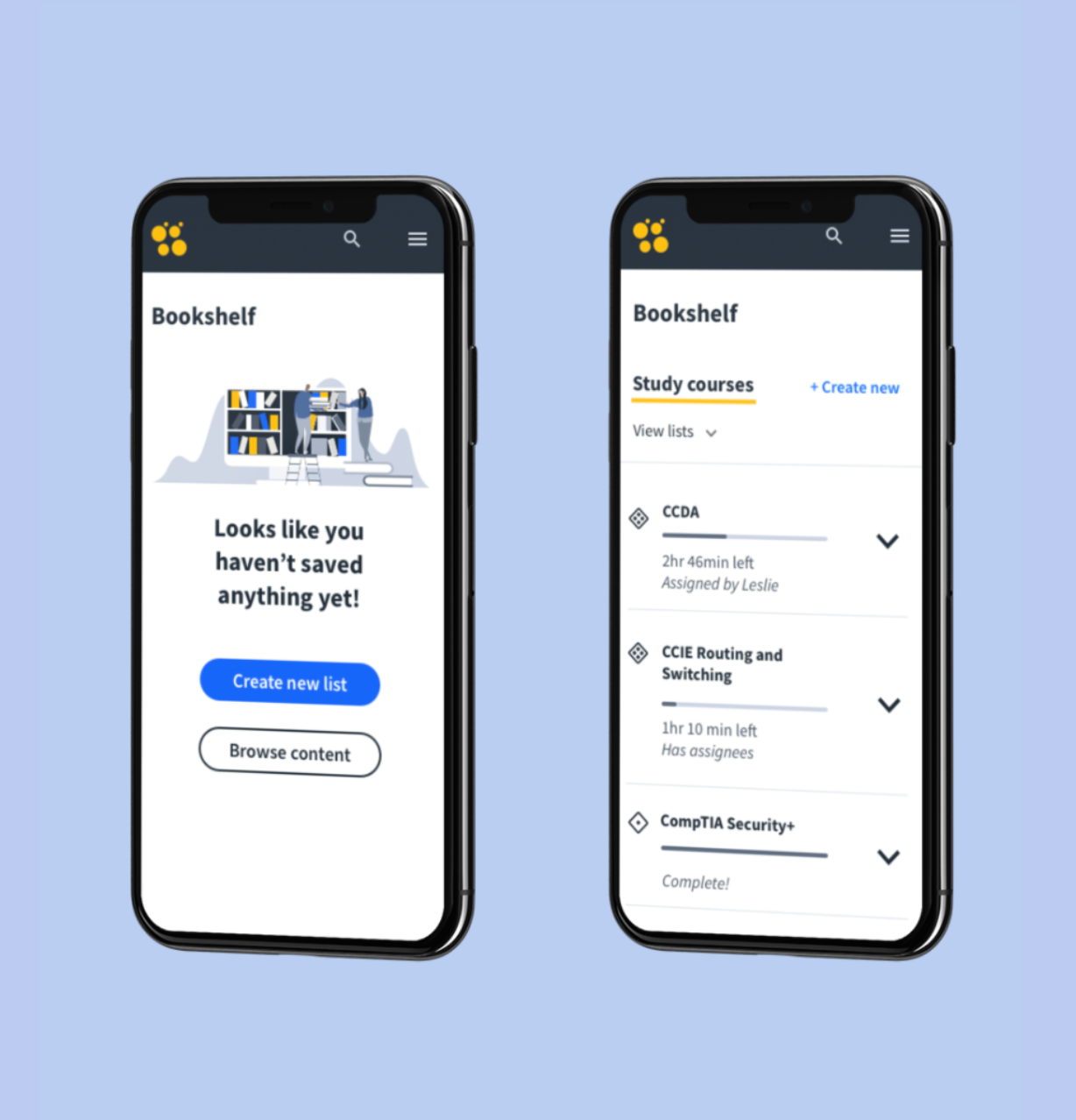
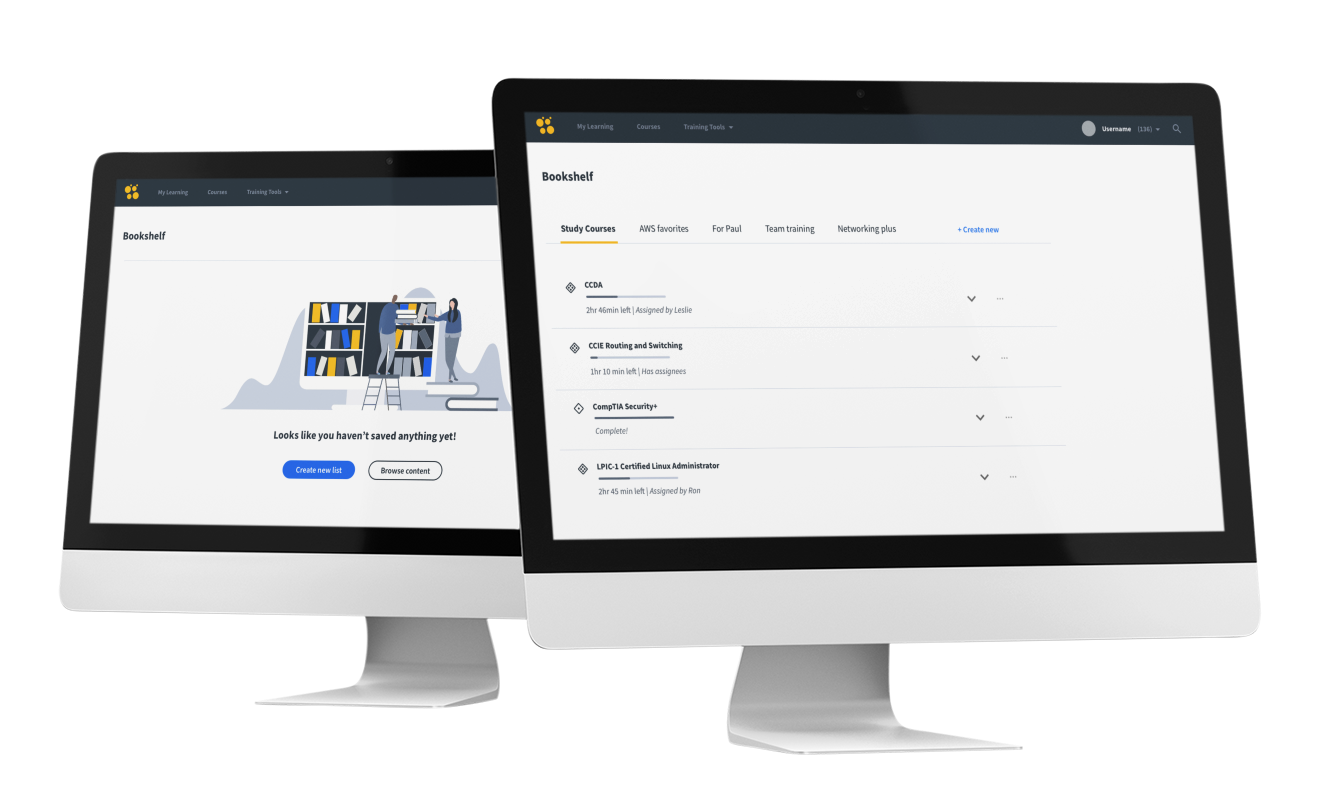
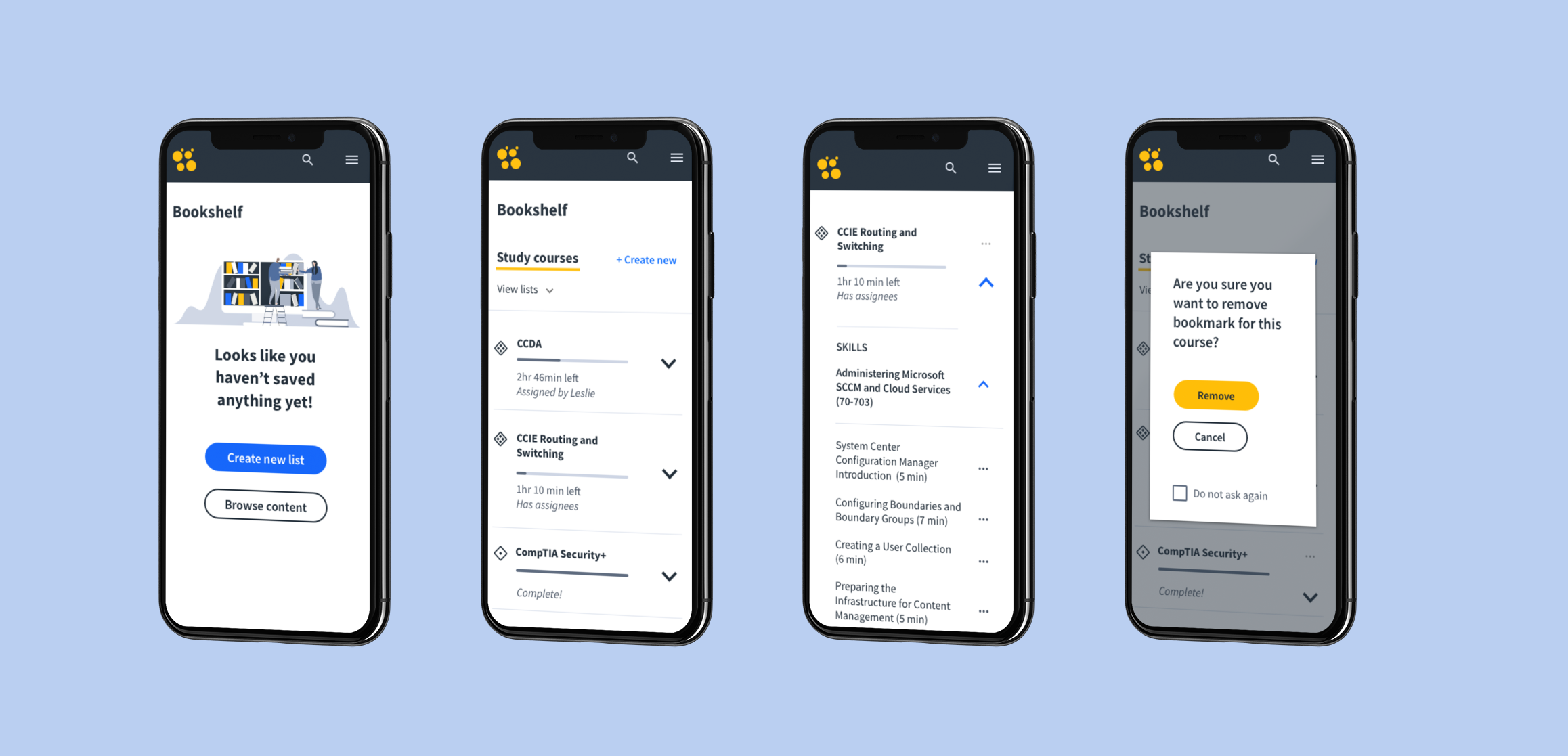
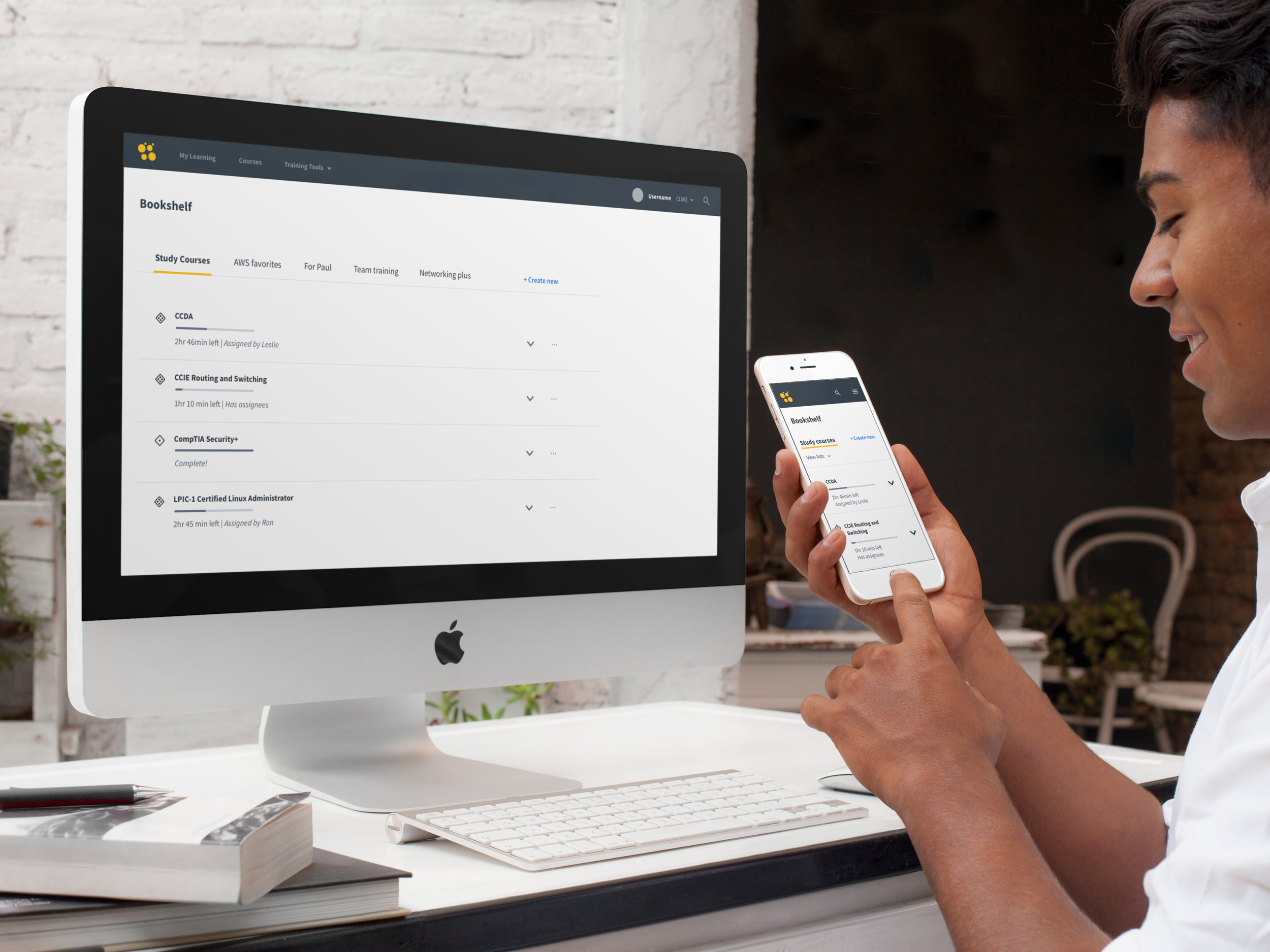
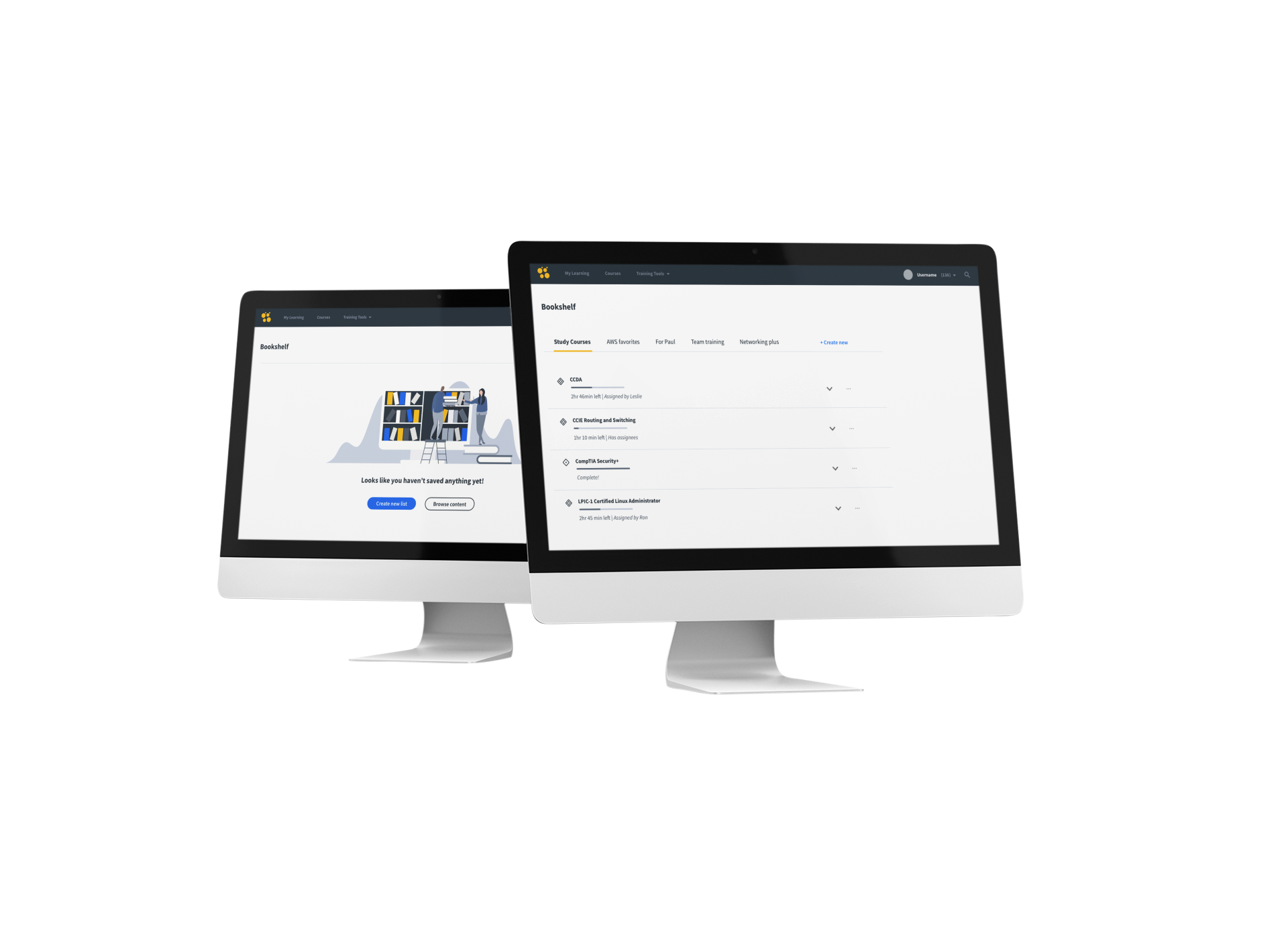
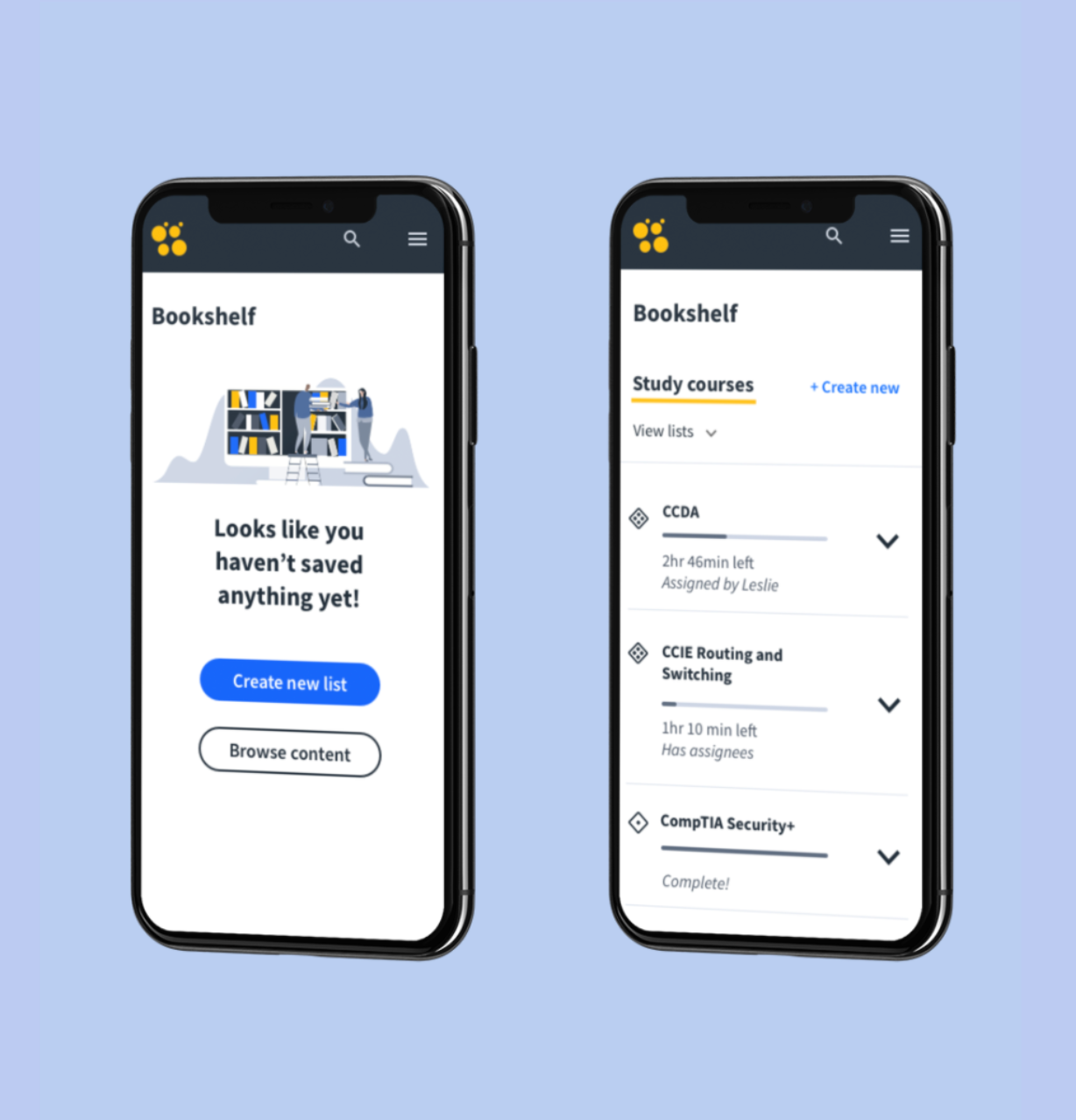
I partnered closely with design, as well as engaged hands-on, to design a usable interface for both web and mobile use. We worked closely to document assumptions and use that as a foundation for usability testing to refine the design.
Due to the large impact of the feature set, I led training with the support team and created documentation regarding functionality and instructions for use. On launch day, I kept my scrum engineers close to monitor roll out. We rolled out to a small group, stayed aware of issues, and then rolled out to our full clientele the next day.
Design and validation
6
Launch prep
7